
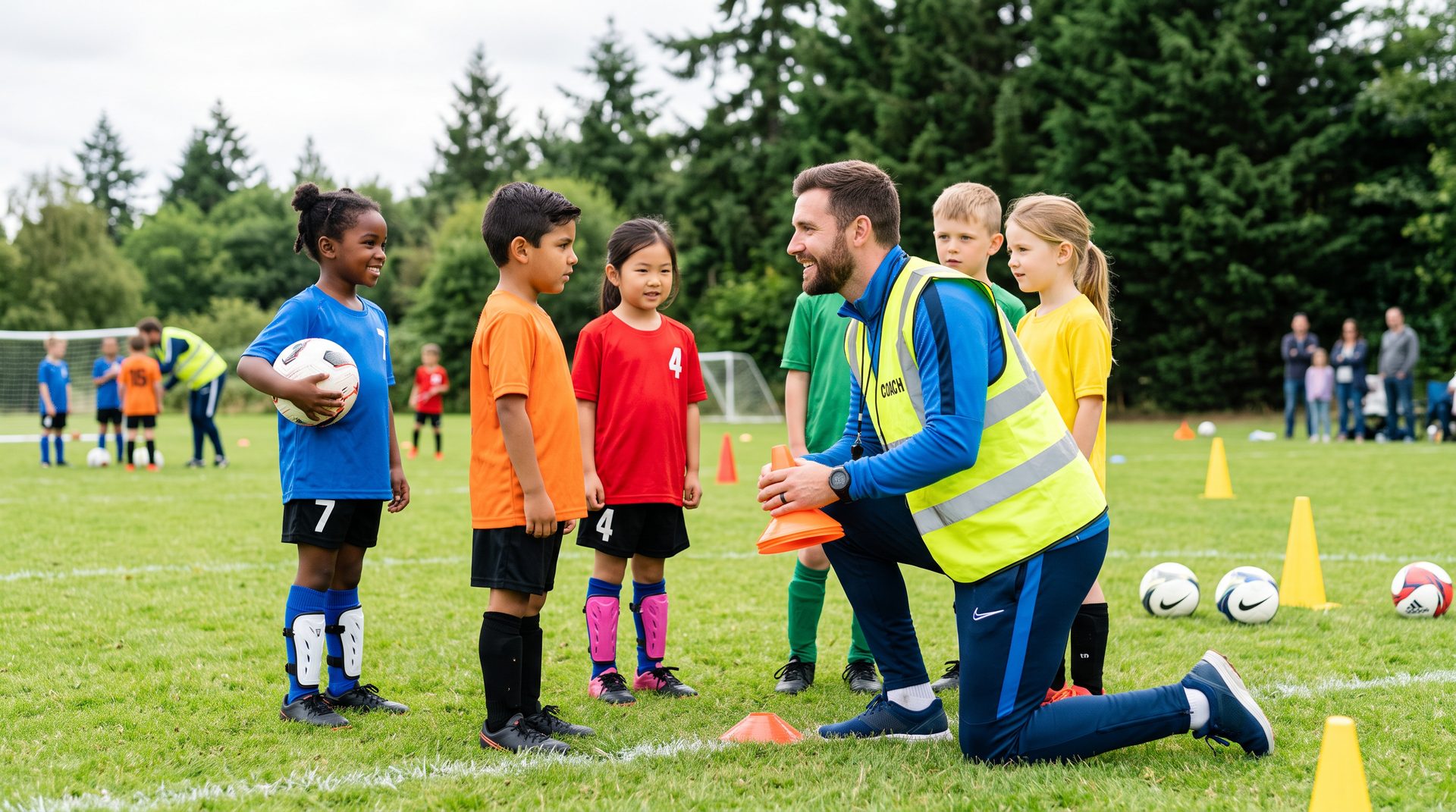
Every child, safe at every session
A single enforceable safeguarding standard across every member academy and every Academy Super League fixture — published in full, and binding on everyone who works with our players.
Safeguarding is a condition of membership, not an aspiration
BCSAA adopted its SafeSport & Child Protection Policy on October 23, 2025. It is a thirteen-part document and it applies to every member academy, every coach, every official, every volunteer and every parent involved in our programs.
An academy cannot hold a BCSAA licence without complying with it. Personnel who have not been screened and certified do not work with our players. Venues without an emergency action plan and accessible first aid do not host our fixtures.
The full policy is published below. We would rather families read the actual rules than take our word for it.
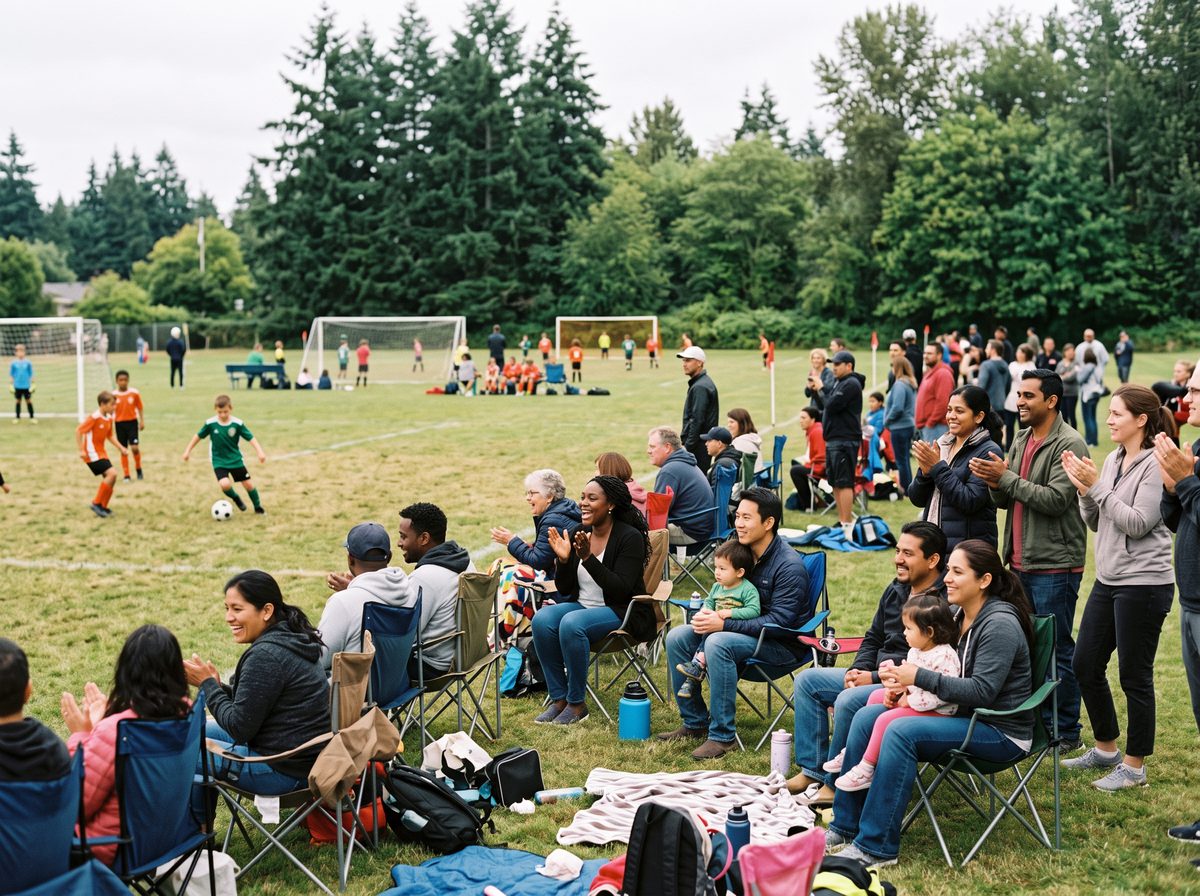
Six pillars of athlete protection
Each pillar is an operational requirement with a defined standard — not a statement of intent.
Background Screening
Every coach, official, volunteer and staff member in contact with youth players must complete a Criminal Record Check with vulnerable sector screening before working with any BCSAA program. Records are held by the member academy and are subject to audit.
Ethics & Safety Training
Respect in Sport certification is mandatory for all personnel. Training covers ethical conduct, recognising and responding to abuse and maltreatment, and building positive sport environments.
Code of Conduct & the Rule of Two
A single code of conduct binds players, coaches, officials, parents and spectators. The Rule of Two requires that a youth athlete is never alone with a single screened adult — two screened adults must be present, or the interaction must be observable and interruptible.
Concussion & Return to Play
Any player with a suspected concussion is removed from play immediately and may not return the same day. Return follows a documented graduated protocol and requires medical clearance before full-contact participation resumes.
Injury Reporting & Emergency Planning
Every training venue and match venue must have a written Emergency Action Plan, an accessible and stocked first aid kit, and identified personnel responsible for emergency response. Injuries are reported to the association through a prescribed procedure.
Complaints & Investigation
A designated SafeSport Officer is the single point of contact for concerns. Complaints are documented, investigated fairly, and resolved through a process that gives every party written notice and a genuine opportunity to be heard.
A young athlete is never alone with one adult
The Rule of Two is the simplest and most effective safeguarding measure in youth sport. It requires that two screened adults are present whenever a coach interacts with a youth athlete — or that the interaction is observable and interruptible by others.
- Two screened adults present for training, travel and treatment
- Doors open and sightlines maintained in enclosed spaces
- No one-to-one closed-door meetings or private vehicle travel
- Electronic communication with players copied to a parent or second adult
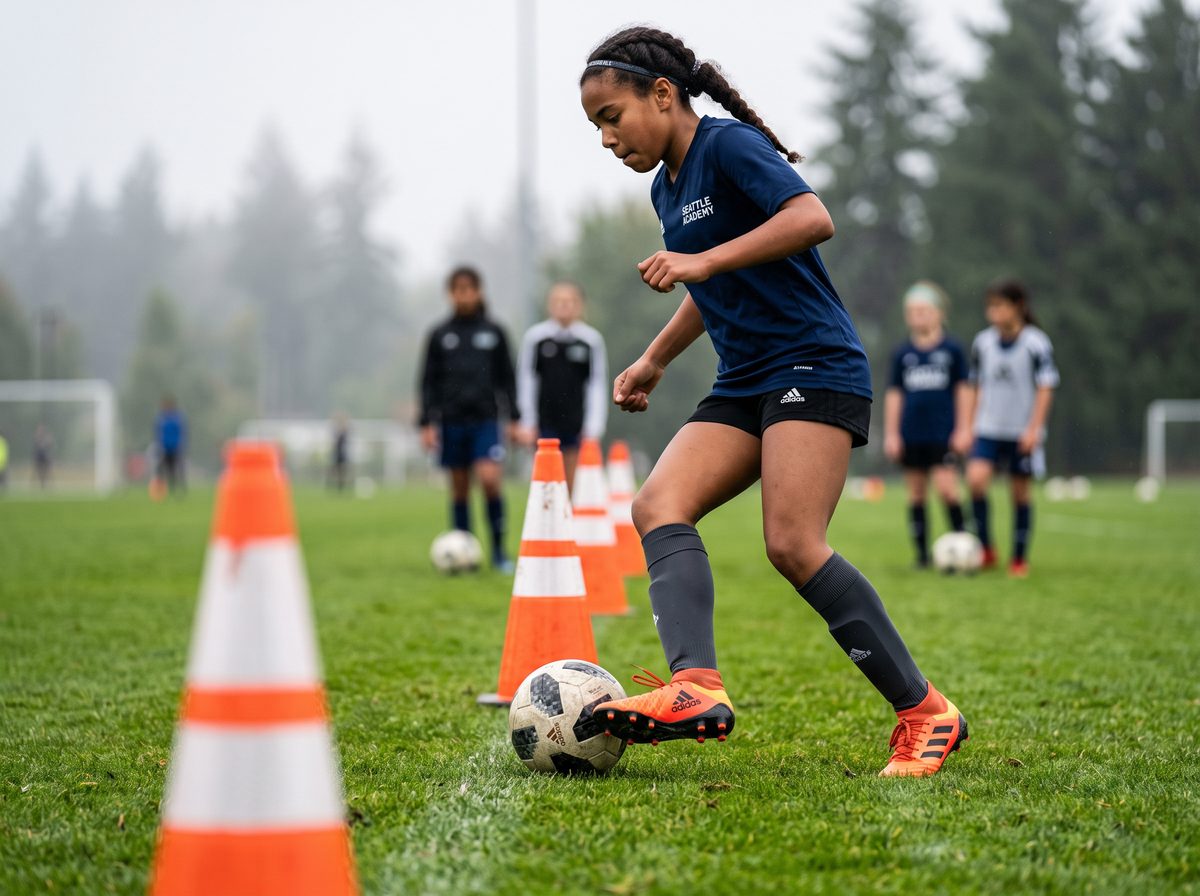
Concussion recognition and return to play
When in doubt, sit them out. A suspected concussion is treated as a concussion until a medical professional says otherwise.
Red flags — call emergency services
Loss of consciousness, seizure, repeated vomiting, worsening headache, neck pain, weakness or tingling in the limbs, increasing confusion or agitation, or deteriorating consciousness. Do not move the player unless it is necessary for their safety.
Immediate removal
A player with a suspected concussion is removed from play at once and does not return the same day — no exceptions, regardless of the score or the stage of the match.
Medical assessment
The player is referred for assessment by a qualified medical professional. The academy notifies the parent or guardian.
Rest and symptom-limited activity
An initial period of relative rest, followed by light activity that does not provoke symptoms.
Graduated return
Progression through light aerobic exercise, sport-specific exercise, and non-contact training drills — one stage at a time, with at least 24 hours between stages.
Medical clearance
Written medical clearance is required before the player resumes full-contact practice.
Return to play
Only after clearance and a symptom-free full-contact session may the player return to competitive matches.
Injury reporting and emergency planning
Every venue we play at must be prepared before a single ball is kicked.
Emergency Action Plan
A written, venue-specific plan identifying the nearest hospital, the access route for emergency vehicles, the location of the nearest defibrillator where one exists, and the person responsible for calling for help.
First aid provision
A stocked and accessible first aid kit at every training session and every match, with identified personnel who know where it is and how to use it.
Injury reporting
Injuries are recorded and reported to the association through a prescribed procedure, so that patterns can be identified and addressed rather than repeated.
How to report
You do not need to be certain. If something does not feel right, report it and let the process establish the facts.
- Anyone — a player, parent, coach, official or bystander — may raise a concern.
- Reports go to the designated SafeSport Officer, who is the single point of contact.
- Every report is recorded in writing, with date, parties involved and the nature of the concern.
- The person complained about receives written notice and a genuine opportunity to respond.
- Where a concern involves a child at risk of harm, it is reported to the appropriate authorities.
- Outcomes are documented and communicated to the parties.
Araz Hajiyev
Director & SafeSport Officer, BCSAA
If a child is in immediate danger, call 911 first. Concerns about a child’s safety or wellbeing can also be reported at any time to the BC Helpline for Children at 310-1234 (no area code needed).
Read it in full
Thirteen parts covering screening, training, conduct, supervision, concussion, injury reporting, complaints and investigation.
SafeSport & Child Protection Policy
13 Parts · Adopted October 23, 2025
Screening, training, code of conduct, concussion and return-to-play protocol, injury reporting, emergency action planning and the complaints process.
Safeguarding questions from your academy or family?
Our SafeSport Officer will talk any academy, coach or parent through what the policy requires and how it is applied in practice.